A country well-known for its ancient civilizations and chocolate, Peru also produces world-class specialty coffee that has been making waves in coffee circles for years.
A history of coffee in Peru
Coffee was first introduced to Peru in the mid-1700s. For over 150 years, coffee was almost exclusively consumed domestically before the decimation of Indonesian coffee crops forced European consumers to look elsewhere for their coffee supply.
In the early 1900s, the government of Peru began to promote the development of the coffee industry, providing subsidies and assistance to growers. Along with England’s acceptance of 2 million hectares of coffee-producing farmland (payment for a defaulted debt), the Peruvian coffee industry began to thrive, and soon Peru was producing some of the finest coffees in the world.
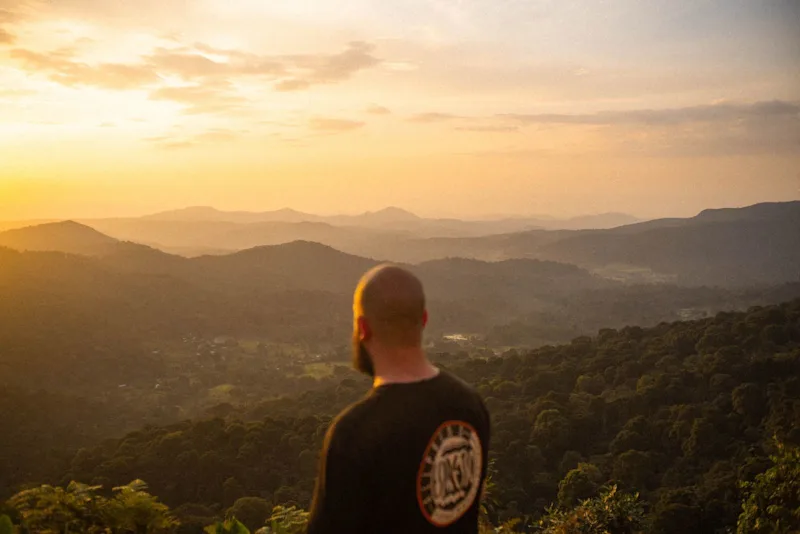
The country's geographical and climatic conditions, as well as its rich soil, provide the perfect environment for specialty coffee production. Arabica coffee flourishes in the Northern, Central, and Southern Highland growing districts, and similar to many South American coffee-producing countries, the coffee is remarkably varied in flavour thanks to the diverse topography and microclimates.
Coffee production at origin
Peru is renowned for its specialty coffee production. The country has a long history of coffee production and has developed a reputation for producing some of the highest-quality beans in the world. Coffee beans from Peru are typically grown in the country’s higher altitudes and are graded in a similar fashion to Guatemala’s specialty coffee; the prized Strictly Hard Beans grown at 1350m or higher, with the lower grown Hard Beans grown between 1200 to 1350 masl.
Peru's coffee industry is booming – the country is now the sixth-largest producer of coffee in the world. Additionally, they've seen an influx of specialty coffee companies, both local and international, looking to take advantage of Peru's unique coffee production capabilities.
After England sold its large farm estates in the 1950s, the land was returned to the Indigenous owners, who separated the land into hundreds of small-holder farms. Typically between 2-5 hectares in size, these farms have formed collectives to make the most of shared infrastructure such as dry mills and exporting relationships.
With so many microclimates affecting every crop and region in unique ways, it’s hard to summarise Peruvian coffee flavour simply. Often characterised by their complex flavour profiles with notes of caramel, fruit, and nuts, this is really just the tip of the iceberg when it comes to specialty coffee from Peru.
Coffee processing methods
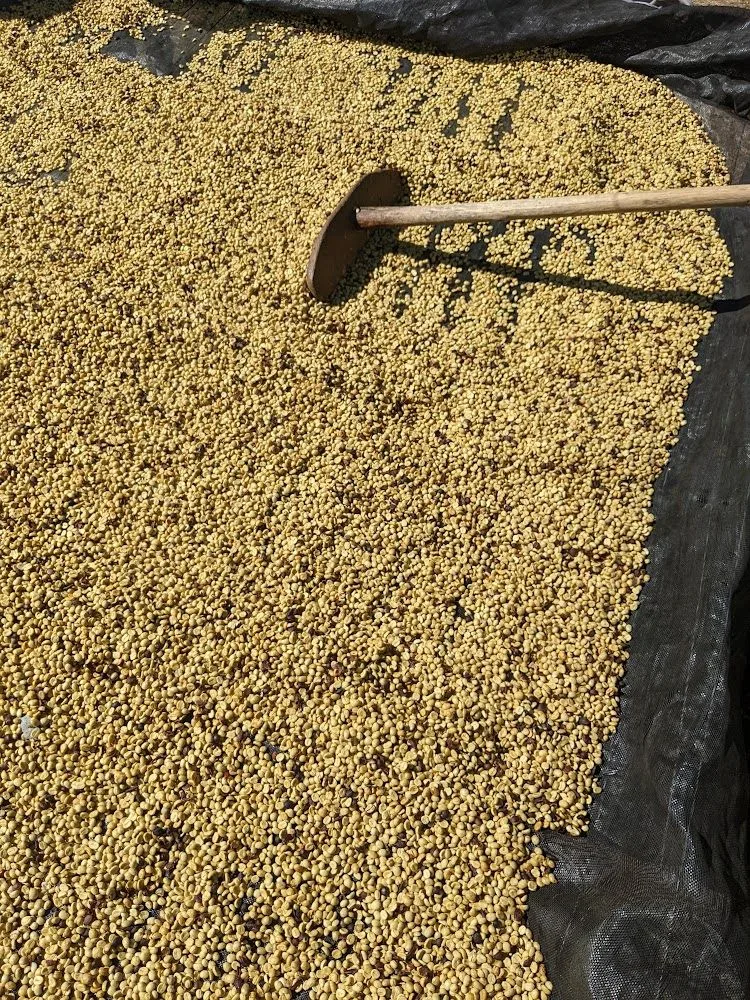
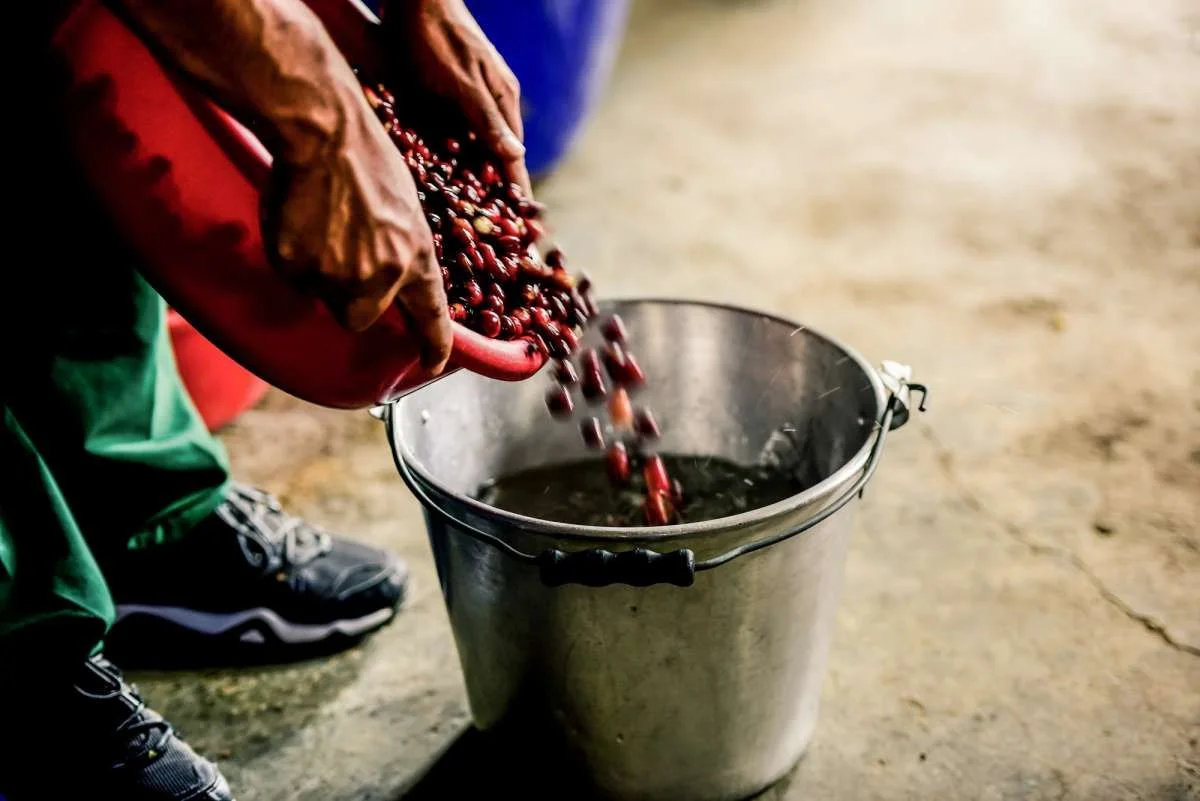
Being embedded in the Andes Mountain Range, Peru’s coffee industry benefits from reliable rainfall as a consistent water source which enables almost all of the coffee from the country to be wash processed.
Similar to Colombian specialty coffee, this allows the coffee to truly shine and represent each region’s distinct flavour without being tainted by coffee cherry or mucilage. With this method, producers rely on soil to impart rich, desirable flavour on the green bean.
Peruvian Coffee at Allpress
You’ll find the smooth and sweet flavours of Peruvian coffee in our Browns Mill Organic. Peru brings gentle acidity with a solid, syrupy body. Look for notes of chocolate, apple and raisin to bring some complexity to the blend. Combined with a unique Honduran origin, this blend is smooth and well-rounded with notes of milk chocolate and citrus.